How to wear fragrance
How to Store Perfume: Heat, Light and Air
Store perfume tightly closed in a cool, stable place away from direct light and heat.
4 min readHow to wear fragrance
Store perfume through winter by avoiding heat, direct light and temperature swings, with practical checks for travel and cold deliveries.
By The Bla Blu Bli Fragrance Library editors · Published October 27, 2026 · Updated October 27, 2026 · 4 min read
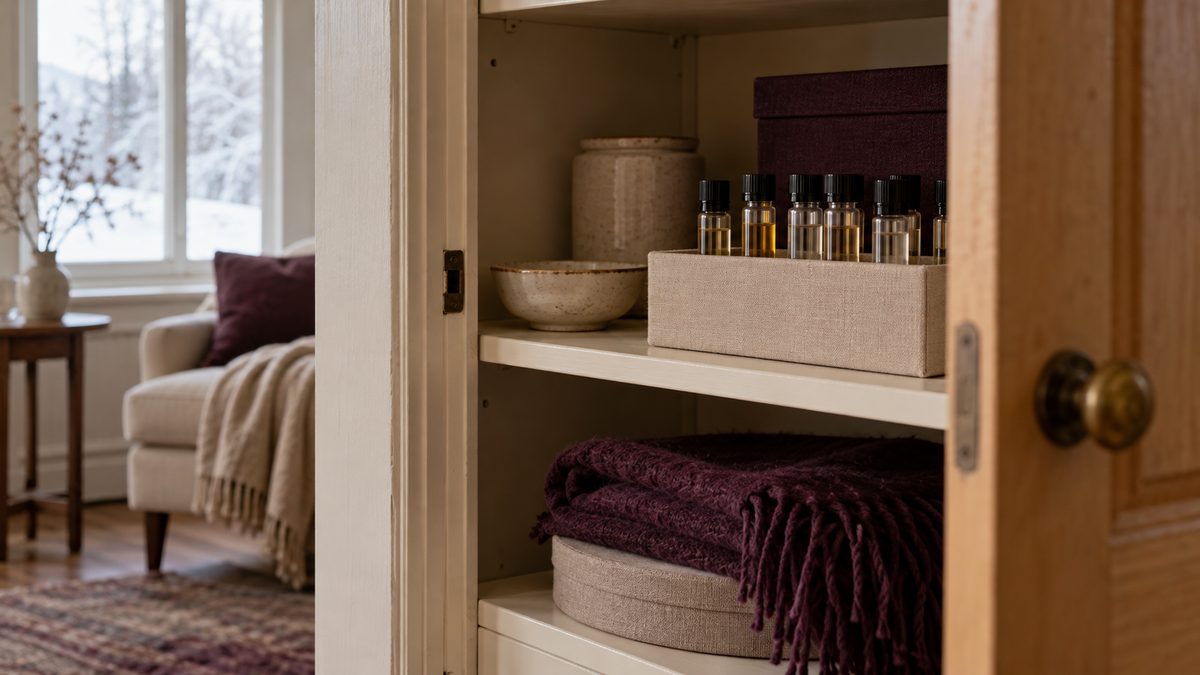
Store perfume in winter in a dark, stable indoor cupboard away from radiators, windows and other heat sources. A cool home is not usually a reason to refrigerate it; avoiding strong light, excessive heat and repeated temperature swings is the more useful goal.
Winter creates contrasting conditions inside a home. A windowsill may become cold overnight and warm in direct sun, while a nearby radiator heats the bottle whenever the system runs. A bathroom can swing between cool air and a warm, humid shower environment.
Perfume contains volatile ingredients, and storage conditions can affect the liquid over time. Heat and light can contribute to deterioration. That does not mean a brief cold walk home ruins a bottle, or that every ordinary change in room temperature causes damage. Focus on repeated exposure and avoid turning a manageable storage choice into a daily ritual.
Choose a place you can use consistently. Moving a bottle between a cold garage and a warm dressing table is less sensible than leaving it in an interior cupboard. The broader perfume storage article covers the same principles throughout the year.
Look at where sunlight falls during the day, not just where the room feels cool in the evening. Check the position of heating pipes, radiators, heated mirrors and appliances. A cupboard can be dark yet warm because of what is beside or behind it.
| Possible location | Winter concern | Better arrangement |
|---|---|---|
| Windowsill | Sunlight and changing surface temperature | An interior cupboard away from the window |
| Shelf above a radiator | Repeated heating | A shelf outside the heated airflow |
| Bathroom cabinet | Warmth and humidity from bathing | A dry room with steadier conditions |
| Car or unheated outbuilding | Cold exposure followed by strong warming | Bring the bottle into normal indoor storage |
| Bedside drawer | Nearby heater or direct sun when open | Check its surroundings before using it |
Keep bottles upright where practical, with closures properly fitted. Do not leave the cap or stopper off while getting ready. Retain original product information so you can check instructions if the bottle develops an unexpected appearance or smell.
A normally heated room can be a suitable storage environment when the bottle is sheltered from direct heat and light. There is no need to keep changing its location every time the heating comes on. The important distinction is between room warmth and being close to a concentrated heat source.
A domestic fridge introduces its own practical issues, including repeated transfers into warmer air and access by other household members. It is not a universal perfume-storage recommendation. Follow any unusual storage requirement stated by the manufacturer rather than assuming colder must be better.
Likewise, avoid placing perfume near a heater to make it smell more diffusive before application. Seasonal differences in wear are best assessed on skin during normal use. Warming the bottle is unnecessary and creates avoidable exposure.
If a parcel arrives cold, bring it indoors and leave the closed bottle upright in a safe place to return naturally to room conditions. Do not put it on a radiator, use a hairdryer or stand it in hot water. A rapid heating method adds another extreme instead of providing useful information.
Inspect the packaging and bottle for leakage or damage before handling the contents. If the glass appears cracked, avoid using it and contact the seller. Keep perfume away from flames and heat, following the product's flammability warnings.
Cloudiness or separation can have several causes. Do not guess that an unexpected change is harmless or permanent while the bottle is still unusually cold. If the appearance remains abnormal after settling, consult the manufacturer with photographs and the product details rather than trying to repair the liquid yourself.
Use a suitable travel container intended for perfume, or a properly supplied sample with its information retained. Check that the closure works before packing. Protect glass from knocks and contain potential leaks separately from clothing or documents.
Keep a travel vial out of direct sun and away from heated seats or air vents. Do not leave it in a parked car as routine storage. Carrying the amount you need reduces the consequences of a damaged container and keeps the main bottle in its usual cupboard.
For flights, trains or shipping, consult the current rules of the carrier and the relevant official transport or security authority. Requirements can depend on the journey and product. Avoid relying on remembered liquid allowances or a rule from someone else's route.
A perfume may seem quieter in a cold room or different after you have been wearing another scent. Your nose, application and surroundings affect what you notice. A weaker impression on one morning is not enough evidence that the bottle has deteriorated.
Compare it on a clean strip in ordinary indoor conditions, then revisit the strip after the opening. If you have a reliable earlier sample, compare like with like. The testing guide helps avoid judging from repeated sprays on an already scented wrist.
Do not add alcohol, oil or water to a bottle to correct a suspected change. That alters the finished product and can create further problems. If a markedly altered smell persists, stop relying on it as a representative sample and ask the manufacturer for advice. Persistent irritation after use warrants advice from a qualified clinician.
It can provide an extra barrier to light and make a bottle easier to organise. It does not protect against a hot cupboard or radiator.
Colour change alone is not conclusive. Compare smell and appearance with previous observations and ask the manufacturer about an unexpected change.
Usually a stable bedroom cupboard is a more suitable choice, but a bedroom shelf beside a radiator can still be poor storage.
Shaking is not a general remedy for cold exposure. Let the closed bottle settle naturally and follow any specific manufacturer instructions.
For general information. Patch test a finished perfume as directed before wider wear. Stop use and see a doctor if irritation develops.
How to wear fragrance
Store perfume tightly closed in a cool, stable place away from direct light and heat.
4 min readHow to wear fragrance
Test perfume by limiting competing scents, assessing an opening on paper, and giving a suitable finished sample a separate skin-wearing day.
4 min readScent through the seasons
Summer fragrance choices often favor bright citrus, airy florals and dry woods, while winter choices may lean toward warm amber, vanilla and richer woody textures.
4 min readHow to wear fragrance
Choose festive perfume notes by balancing cinnamon, clove, pine, orange and vanilla, with practical advice for meals and indoor gatherings.
4 min read