Notes A–Z
Rose in Perfume: Fresh Petals, Spiced Honey and Different Extracts
Rose can smell green, citrusy, honeyed or spicy. Explore distilled oil, absolute, key rose molecules and how to find your preferred floral style.
4 min readNotes A–Z
Patchouli smells earthy, woody and aromatic, with possible damp-leaf, camphoraceous, balsamic or cocoa-like facets.
By The Bla Blu Bli Fragrance Library editors · Published October 21, 2026 · Updated October 22, 2026 · 4 min read
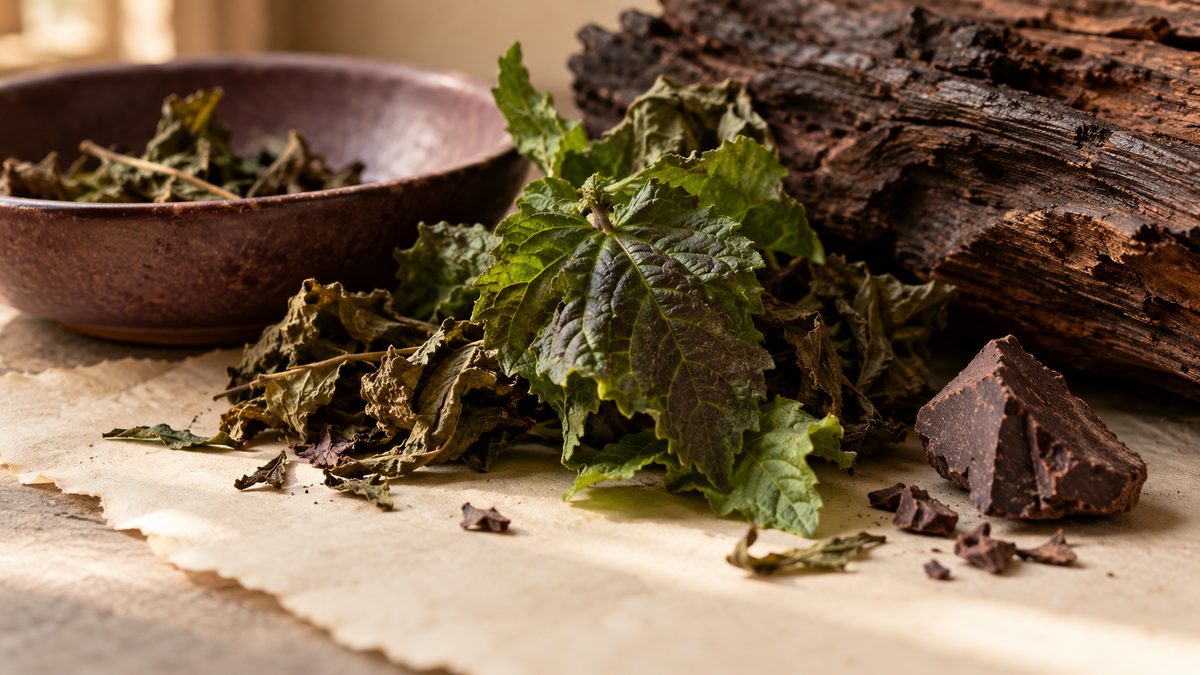
Patchouli smells earthy, woody and aromatic, with possible damp-leaf, camphoraceous, balsamic or cocoa-like facets. Its oil comes from the leaves of a tropical herb, not from soil or tree roots. A cleaner processed material can feel surprisingly smooth compared with the heavy earthy smell many people expect.
The main perfumery species is Pogostemon cablin, a plant in the mint family. Indonesia is strongly associated with patchouli production, with cultivation also occurring in other tropical regions. The leaves are prepared and dried before distillation produces the essential oil.
Preparation, storage and distillation affect how much green, earthy and darker woody character the oil presents. The source is botanical, but a whole oil is still a variable mixture rather than a single unchanging smell. A country name cannot describe every batch or predict the perfume built around it.
Patchoulol, also called patchouli alcohol, is an important constituent associated with the characteristic odour. Other sesquiterpenes contribute to the wider profile. The name alcohol in this molecule does not mean it smells like the ethanol used as a carrier in many perfumes.
Patchouli's reputation can obscure its range. Some materials suggest a cool cellar or wet leaves, while others feel like dry wood with a faint cocoa-like bitterness. A sweet base can soften that earthiness until it becomes more of a dark texture than a separate smell.
| Patchouli facet | What you may recognise | What to ask while testing |
|---|---|---|
| Damp leaf | Cool vegetation and soil associations | Is it refreshing or musty to you? |
| Camphoraceous | Brisk, penetrating herbal edge | Does it soften after the opening? |
| Dry wood | Firm dark timber | Is it too austere without sweetness? |
| Cocoa-like | Bitter, dark, gently rounded | Is the effect chocolate-like or simply woody? |
| Balsamic | Warm, soft, resin-like depth | Does the base become too dense? |
These words describe associations, not proof of cocoa, soil or another literal ingredient. They help you distinguish the patchouli you want from a vague request for something earthy.
Perfumers can use whole patchouli oil, selected fractions and other processed forms. Removing or reducing some facets can produce a cleaner, less camphoraceous material while retaining a recognisable woody-earthy foundation. The result need not resemble an old-fashioned heavy patchouli perfume.
Constructed effects can also use synthetic woody ingredients and supporting naturals. A clean patchouli listing does not mean the note is fake, and a rough one does not establish botanical purity. The natural-versus-synthetic discussion explains why those sensory shortcuts are unreliable.
A material's processing is a useful detail when supplied, but a finished perfume can reverse expectations. A clean fraction over dense amber may feel much richer than whole oil used sparingly in a fresh floral. Always evaluate the whole structure.
Patchouli usually functions as a base note because its woody character persists. Its camphoraceous or earthy side can be apparent immediately, especially in a simple composition. The base label describes its supporting role rather than a moment of activation.
With rose, patchouli adds dark contrast beneath the petals. With vanilla, it can turn sweetness towards dry wood, dark bean or cocoa-like depth. That combination can also become very dense if the supporting amber is strong.
Bergamot gives patchouli a bright opening and makes the later earthiness easier to notice by contrast. Vetiver adds root and dryness; sandalwood smooths the edges; incense can emphasise a darker aromatic side. Patchouli may be the main theme or a background that makes a fruity floral less weightless.
If you dislike a sample because it is too sweet, do not assume that patchouli itself caused the sweetness. Compare a drier composition before excluding the note. Likewise, a sweet base can make an earthy facet easier to wear without removing it entirely.
Choose one sample described as clean or woody and another described as earthy. Put the finished products on separate labelled strips and allow the alcohol cloud to clear. Record green sharpness, dampness and sweetness independently.
Then follow this order:
That third step is useful because it stops the label from supplying your whole description. You may discover that what you love is dark vanilla with a little wood, or that you want a much clearer leaf-and-earth impression.
Avoid continuously sniffing the application point. Observe the perfume during normal activity, then check the later trace before reapplying. A persistent base can remain around you after you become accustomed to it.
A rich resin-and-patchouli composition may feel more comfortable in cool air, while a cleaner citrus-woody version can work for daytime. In heated rooms, check whether the base becomes too sweet or dense. For shared spaces, begin with restrained application rather than treating an earthy note as automatically quiet.
Patchouli oil is not a substitute for medical treatment or a finished skin product. Do not apply raw oil to replicate a perfume sample or add it to a bottle to increase lasting power. Ingredient origin cannot guarantee tolerance.
Read the finished product information if sensitivity is a concern. The allergen and home-testing article explains the limits of a small trial. Stop use for irritation and ask a clinician about symptoms that persist or return, rather than repeatedly exposing the same affected area.
A guide to the note’s usual role, not a fixed formula or an ingredient list.
Notes overlap as a fragrance develops. Placement varies with the finished composition.
Its dark, earthy and rounded facets can create a cocoa-like association, especially with vanilla or sweet materials. The impression does not establish that cocoa extract is present.
No. It can appear in fresh florals, woody perfumes and sweet compositions. Incense may be a companion, but patchouli's leaf-derived oil is a different material from fragrant resins.
Storage and processing can alter a material, but better depends on the intended use and personal preference. Age alone does not prove quality, proper storage or suitability for wearing.
Yes. A small amount or selected processed material can add woody depth beneath other notes. You may notice a fuller base without recognising a separate damp-leaf impression.
For general information. Patch test a finished perfume as directed before wider wear. Stop use and see a doctor if irritation develops.
Notes A–Z
Rose can smell green, citrusy, honeyed or spicy. Explore distilled oil, absolute, key rose molecules and how to find your preferred floral style.
4 min readNotes A–Z
Vanilla smells warm, softly sweet and balsamic, with possible creamy, woody, smoky or dried-fruit facets. It can suggest a cured pod rather than frosting.
4 min readNotes A–Z
Vetiver smells woody, earthy and dry, with possible green, smoky, bitter citrus or nutty facets.
4 min readNotes A–Z
What aldehydes mean in perfume, why some smell sparkling or soapy, and how these varied materials transform floral and clean fragrance accords.
4 min read