Notes A–Z
Bergamot in Perfume: Bitter Citrus, Floral Peel and Safer Sampling
Bergamot smells like bright citrus peel with a bitter, green edge and a soft floral undertone.
4 min readNotes A–Z
Lavender smells floral and herbal, often with a cool camphoraceous edge, gentle sweetness and dry aromatic warmth.
By The Bla Blu Bli Fragrance Library editors · Published October 21, 2026 · Updated October 22, 2026 · 4 min read
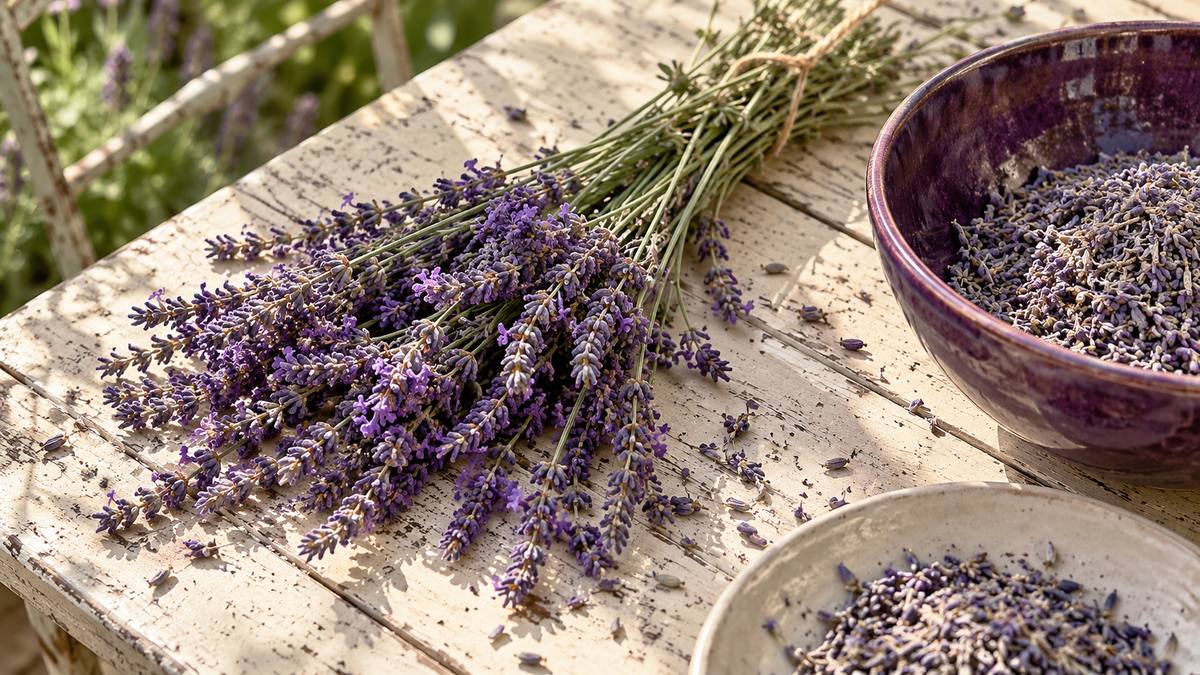
Lavender smells floral and herbal, often with a cool camphoraceous edge, gentle sweetness and dry aromatic warmth. It can resemble fresh flowering stems, clean soap or soft powder depending on the blend. The perfumery note is broader than the strong dried-lavender scent of a cupboard sachet.
Lavandula angustifolia is a principal source of true lavender oil. Lavandin, commonly Lavandula x intermedia, is a hybrid used for a related but often more forceful aromatic effect. Both have perfumery uses, but the names should not be treated as interchangeable botanical labels.
The oil is obtained by distilling flowering tops. Cultivation is associated with southern France and other regions, including parts of eastern Europe. A regional description may help explain the source, though variety, harvest and processing also shape the aroma.
Lavender absolute offers another material obtained through extraction. A perfumer may choose a particular oil, an absolute, separate aroma molecules or a mixture. A public note list saying lavender generally does not disclose which form or species was used.
If one sample reminds you strongly of cleaning products, that is not a verdict on all lavender. A softer floral interpretation can feel far removed from a sharp, camphor-rich aromatic accord.
Linalool contributes floral freshness, while linalyl acetate supports a smoother, lightly sweet aromatic impression. Camphor and 1,8-cineole can help create a cooler, more penetrating edge, with the balance differing among materials.
These molecules also occur elsewhere in fragrant plants, which helps explain lavender's connections to citrus and other herbs. The oil remains a complex mixture, and a reconstructed note can choose which facets to emphasise.
A natural material may have earthy or uneven details that a clean synthetic accord leaves out. Conversely, manufactured aroma materials can support a very naturalistic flowering-stem effect. Do not use the smoothness of a perfume as evidence that it contains no botanical oil.
| Direction | Sensory character | A useful shopping clue |
|---|---|---|
| Flowering stem | Floral, green, lightly sweet | Lavender with restrained citrus |
| Cool herb | Camphoraceous, brisk, penetrating | Aromatic herbs and dry woods |
| Soap-like | Clean floral freshness | Neroli, musk or classic aromatic structure |
| Powdery warm | Soft, rounded, gently sweet | Tonka, iris or vanilla |
These effects can overlap, but the distinctions help explain a dislike. If the medicinal edge bothers you, seek softer floral warmth. If a sweet lavender seems too cosmetic, try a drier herbal style with clearer wood.
Lavender is often assigned to the heart, though much of its bright aromatic effect is apparent from the opening. It can link quick citrus freshness to slower woods and sweet materials. In a structured aromatic perfume, that connection is often more important than a literal flower impression.
Bergamot adds brightness without removing the herb's floral side. Neroli can produce a clean blossom-and-herb direction, while cardamom adds a different cool-spicy accent. Cedar and vetiver keep the later stages dry.
Tonka bean introduces coumarin's hay-like warmth and can make lavender feel rounded and softly powdery. Vanilla moves it towards a sweeter, more comforting base. The combination may be much gentler than a strong herbal opening leads you to expect.
Some aromatic perfumes are described as fougere, a family built around an imagined fern-like structure rather than fern extract. Lavender often helps create that effect alongside coumarin-like warmth and other supports. The fragrance families article gives context without treating every lavender scent as the same style.
Use a dry aromatic sample and a softer lavender-tonka sample. Put them on separate strips, allow the alcohol to clear, and record the initial coolness. This prevents a pleasant sweet base from making you forget that the opening was uncomfortable.
Revisit the strips once they have settled. Ask which remains floral, which feels herbal and which has become powdery. If one seems like a different perfume by then, record both stages rather than choosing whichever stage you prefer as the whole description.
For the skin trial, wear one finished sample at a time according to its directions. Check it in an ordinary room as well as outdoors. A camphoraceous opening may feel crisp in cool air and too sharp near your face indoors; a sweet base may do the reverse.
Avoid treating lavender perfume as a sleep or anxiety treatment. Enjoying the smell is a sufficient reason to wear it, but the name does not establish a medical effect. If strong scents are uncomfortable for you, stop the test rather than using repeated exposure as a remedy.
A light herbal lavender can be useful for daytime, while a richer tonka or amber base may feel more comfortable in cool weather. The full composition decides its reach. For a shared office, begin conservatively and avoid reapplying solely because the initial herbal lift has faded.
Natural lavender oil contains fragrance constituents, including linalool, that can matter for sensitivity and labelling. Check the finished ingredient list against known allergies and follow the product instructions. The patch-testing discussion explains why a home trial cannot exclude an allergy.
Do not substitute neat essential oil for a wearable perfume, and keep bottles closed away from heat and light. Stop use if irritation appears. A recurring reaction or a troublesome skin change needs professional advice, even if the ingredient is commonly described as gentle or calming.
A guide to the note’s usual role, not a fixed formula or an ingredient list.
Notes overlap as a fragrance develops. Placement varies with the finished composition.
It can, but dried plant material often emphasises a particular herbal dryness. A perfume may instead highlight floral freshness, powder or warm sweetness, so the sachet is only one reference.
It is a different botanical material with its own aromatic profile. Suitability depends on the effect the perfumer wants, not a blanket ranking based on the plant's name.
Many people associate aromatic lavender structures with familiar grooming scents. That cultural association does not restrict who can enjoy a floral, herbal or sweet lavender fragrance.
Yes. A reconstructed accord can suggest the note using aroma materials. Ask the maker for ingredient-source information if it matters; a note pyramid cannot confirm the presence or absence of a specific oil.
For general information. Patch test a finished perfume as directed before wider wear. Stop use and see a doctor if irritation develops.
Notes A–Z
Bergamot smells like bright citrus peel with a bitter, green edge and a soft floral undertone.
4 min readNotes A–Z
Tonka bean smells of hay, almond-like warmth and soft sweetness. Learn how coumarin shapes the note and why it differs from vanilla.
4 min readNotes A–Z
Amber in perfume usually smells warm, resinous and softly sweet, with vanilla, balsamic and sometimes leathery facets.
4 min readNotes A–Z
What aldehydes mean in perfume, why some smell sparkling or soapy, and how these varied materials transform floral and clean fragrance accords.
4 min read